Charting International Break Disruptions: How National Team Call-Ups Reshape Correct Score Markets in Club Competitions
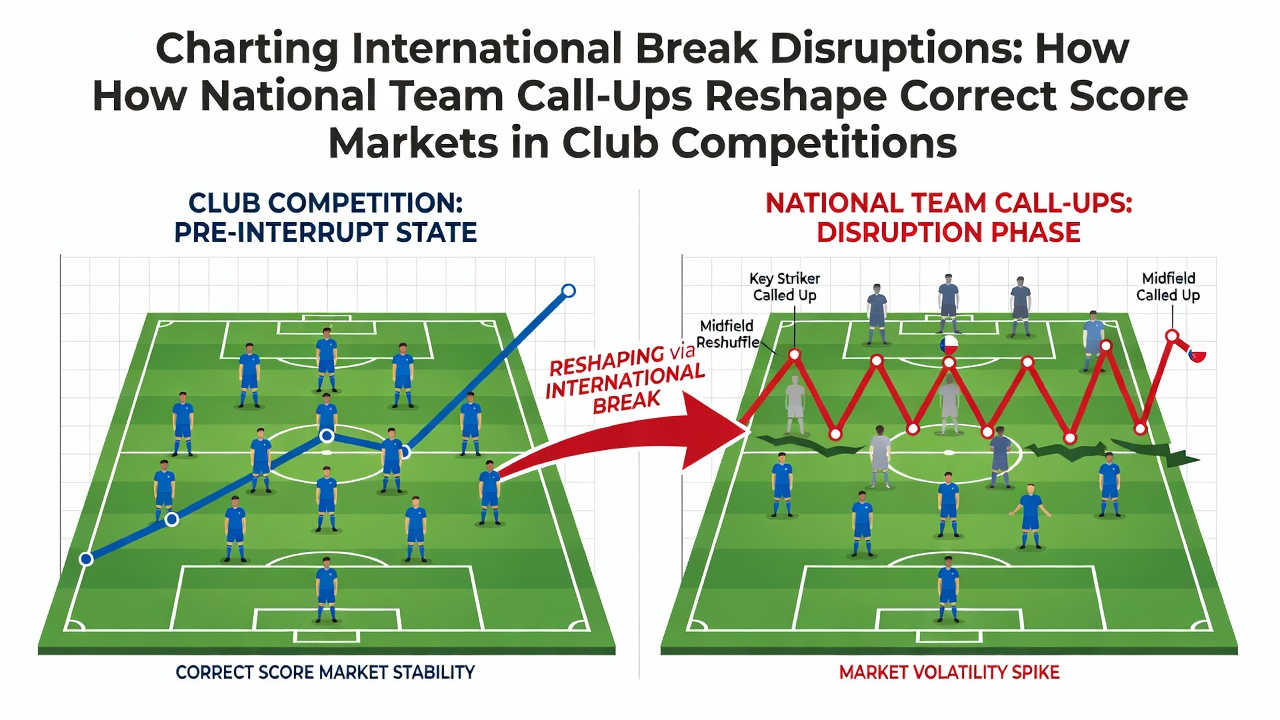
International breaks create measurable shifts in club squad dynamics, and these changes directly influence correct score outcomes in domestic leagues once play resumes. National team call-ups pull key players away for extended periods, which alters team cohesion, increases fatigue risks for returning stars, and forces managers to adjust lineups in ways that affect goal tallies and match results. Observers note that correct score markets respond to these patterns because bookmakers adjust odds based on historical data showing altered scoring rates after such interruptions.
Player Availability and Squad Depth Adjustments
Clubs lose star forwards, midfield anchors, and defensive leaders during international windows, which reduces attacking output in the first matches back. Data from multiple European leagues indicates that teams missing three or more starters from their typical lineup post-break record fewer goals on average in those opening fixtures, while defensive vulnerabilities sometimes allow opponents to score more freely. Researchers discovered that squads with strong bench options mitigate these effects better than those relying on a narrow core group, leading to different correct score distributions depending on roster quality.
August 2026 brings an early international window for several confederations, and this timing overlaps with the start of new domestic campaigns where teams are still building match fitness. Those who've tracked these schedules know that call-ups during this period compound pre-season disruptions, resulting in more unpredictable scorelines in the opening rounds. Experts have observed that correct score bettors who monitor national team rosters gain an edge by identifying clubs hit hardest by absences rather than focusing solely on form guides.
Market Reactions and Betting Pattern Shifts
Correct score markets adjust rapidly once call-up lists are announced, with odds on low-scoring outcomes tightening for teams depleted by international duty. Figures from betting exchanges reveal increased volume on 1-0 and 1-1 results in post-break matches compared to regular schedule fixtures, reflecting the caution managers exercise when reintegrating players. What's interesting is how these adjustments vary by league; competitions with deeper squads experience smaller deviations, whereas top-heavy divisions see sharper swings in expected goal totals.
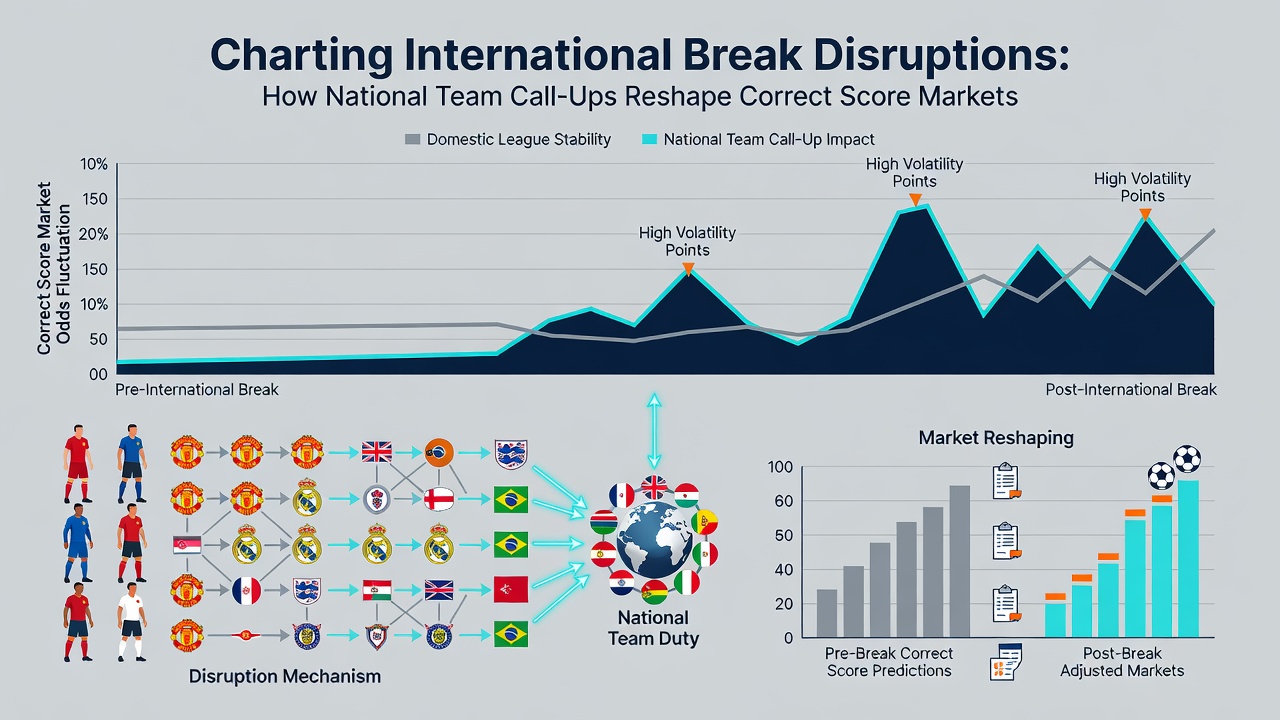
Industry reports highlight that correct score traders often price in a temporary dip in total goals during the first week after a break, particularly when multiple clubs in the same fixture list are affected. According to analysis from the European Club Association, fatigue from travel and match intensity during international windows contributes to slower build-up play and fewer high-quality chances early in club return games. This pattern creates opportunities for bettors who specialize in exact score combinations that account for reduced tempo rather than standard league averages.
Case Examples from Recent Seasons
Take one Premier League side that lost its primary striker and two central defenders to national duty in a September window; upon return, the team recorded three consecutive 1-1 or 0-0 draws before full integration occurred. Observers documented similar trends in Serie A and the Bundesliga, where clubs with heavy representation in national squads posted lower average goals in the immediate follow-up matches. People who've studied these sequences note that correct score markets eventually normalize within two to three weeks, yet the initial disruption window produces distinct statistical signatures that repeat across seasons.
Another example involves a La Liga outfit whose midfield was stripped for South American qualifiers; the club conceded more set-piece goals upon resumption because replacement players lacked the same coordination. Data indicates these mismatches influence exact score probabilities, pushing markets toward outcomes like 2-1 or 1-2 that reflect transitional play rather than settled performances. Research from sports analytics groups shows that tracking the number of call-ups per squad provides a reliable predictor for goal margin compression in the short term.
Strategic Considerations for Correct Score Markets
Bettors analyzing these disruptions focus on metrics such as minutes played during the international window, travel distances, and the competitive level of friendly matches. Teams whose players return from high-stakes qualifiers often show slower recovery curves, which correlates with fewer goals in club fixtures. According to a report by the International Centre for Sports Studies, recovery protocols vary widely between clubs, creating additional variance in post-break scoring patterns that correct score models must incorporate.
What's significant is how these factors interact with home advantage, which sometimes diminishes when key personnel are absent or fatigued. Markets respond by widening spreads on draws and low totals until squads stabilize, and this creates measurable edges for those monitoring roster changes closely. The reality is that national team commitments continue to fragment club schedules, making historical post-break data an essential component of correct score forecasting.
Conclusion
International breaks reshape club competitions by altering player availability and introducing fatigue variables that correct score markets reflect through adjusted probabilities. Data across leagues demonstrates consistent short-term shifts in goal distributions following these periods, with August 2026 expected to follow established patterns. Those tracking call-up lists and recovery timelines gain factual advantages in identifying likely scorelines during the transition phase back to domestic play.