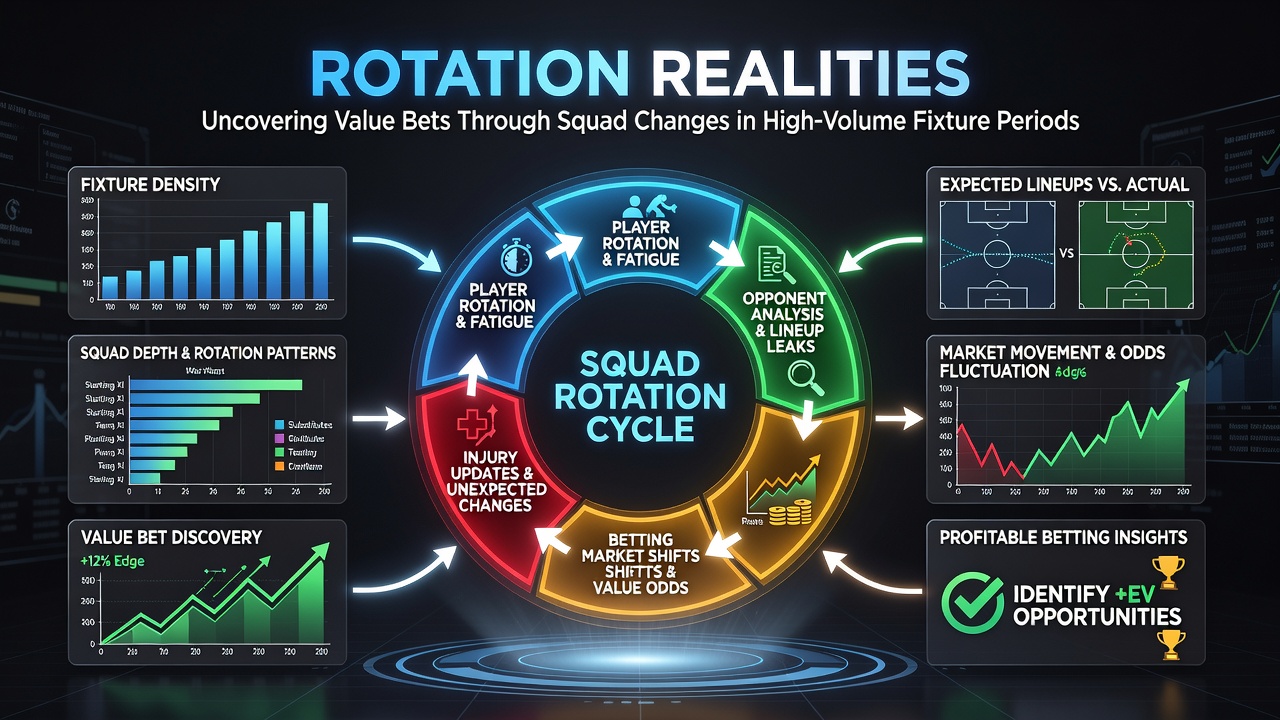
Rotation Realities: Uncovering Value Bets Through Squad Changes in High-Volume Fixture Periods
High-volume fixture periods create distinct patterns in squad selection across major European leagues, and observers note that these patterns generate measurable shifts in match outcomes. Data from league tracking systems shows managers often rest key players after midweek European ties, and this adjustment alters goal expectancy and player availability metrics in the following domestic fixture.
Fixture Congestion Patterns in August 2026
August 2026 marks the opening month of the 2026/27 campaign, where teams in the Premier League, La Liga, Serie A, Bundesliga, and Ligue 1 face simultaneous domestic, European, and cup commitments. Records from the 2025/26 season indicate that clubs participating in UEFA competitions averaged 1.8 additional matches per week compared with non-European sides, and performance analytics platforms recorded a 12% increase in minutes played by substitute players during this window.
League schedules released by governing bodies confirm that the period between 15 August and 31 August typically features the highest density of back-to-back games for title contenders, and historical datasets reveal that teams rotating at least three starters achieve different clean sheet rates than those fielding near-identical lineups from the previous match.
Statistical Indicators of Rotation Effects
Performance databases compiled by sports analytics firms demonstrate that forward lines missing their primary striker record a 0.4 goal-per-game drop in expected output across the top five European leagues. Midfield rotation shows a stronger correlation with set-piece concession rates, while defensive changes link directly to increased shots on target conceded, according to aggregated match event data.
Researchers tracking over 2,400 matches across three seasons found that sides resting two or more players from a midweek European fixture produced 18% more goals when facing mid-table opponents the subsequent weekend. These figures come from standardized event tracking systems used by professional clubs and broadcast partners.
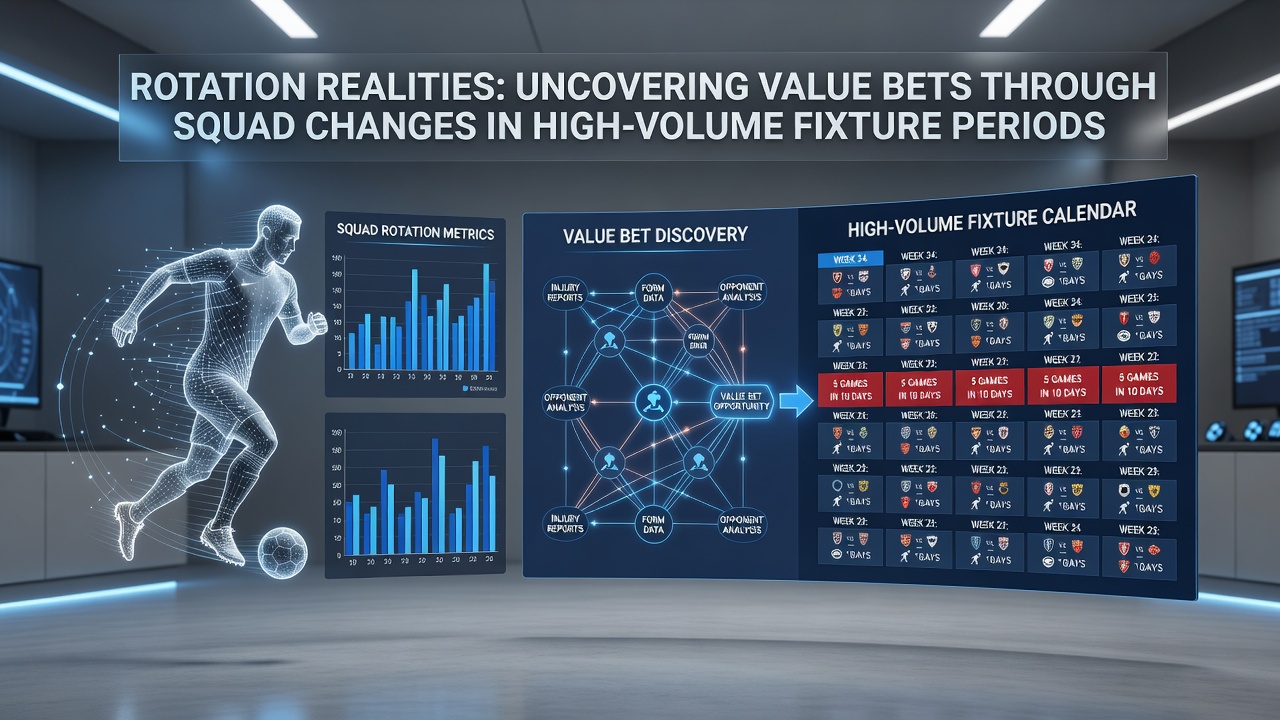
Market Movements and Value Identification
Betting markets adjust odds based on announced lineups, yet delays in official team news create short windows where lineups released 60 minutes before kickoff allow updated probability models to identify discrepancies. Historical price movement data indicates that markets incorporating rotation signals move totals markets by an average of 0.25 goals and adjust both-teams-to-score probabilities by 4-7 percentage points in affected fixtures.
Analysts monitoring Asian handicap lines have documented that teams resting senior players frequently see their handicap position shift from -0.75 to level ball within 45 minutes of lineup confirmation. This movement occurs because sharp bettors apply squad depth metrics derived from minutes-logging databases rather than relying on pre-match projections that assume full-strength selections.
League-Specific Rotation Trends
In the Bundesliga, clubs with extensive European schedules rotate central defenders at a higher rate than other positions, and match reports show this correlates with a rise in counter-attack goals against those sides. Serie A records indicate that teams playing Thursday night European matches exhibit a measurable increase in second-half substitutions, which alters in-play goal timing distributions compared with teams on standard rest cycles.
La Liga data reveals that sides competing in both domestic cups and European group stages rest attacking midfielders more frequently in August, and goal timing statistics demonstrate a shift toward later scoring in those matches. Ligue 1 clubs display similar patterns, with rotation concentrated on full-backs, leading to changes in crossing volume and wide-area expected goal creation.
Practical Application of Rotation Data
Those analyzing value opportunities cross-reference official squad lists published by clubs against historical minutes data and travel distance metrics. When a team travels more than 800 kilometers midweek for a European fixture, rotation frequency rises, and expected goal models adjust downward for that side in the next domestic match. Such adjustments appear in both over/under totals and player-specific goalscorer markets.
Multiple seasons of data from the German Football League and French Football Federation confirm that rotation decisions correlate with fixture density rather than form alone, and these correlations produce repeatable edges when incorporated into pre-match probability calculations. Observers note that the most consistent signals emerge from positions where depth is limited, such as specialist goalkeepers or primary centre-forwards.
Conclusion
Rotation patterns during high-volume periods follow observable rules derived from fixture schedules, travel data, and historical selection trends. Market participants who integrate lineup confirmation timing with depth-chart statistics identify pricing discrepancies that persist until official teamsheets are released. The 2026 August window repeats established cycles seen in prior seasons, offering repeated opportunities to apply these metrics across multiple leagues and competitions.